
Infrared Sauna Temperatures Compared With Traditional Saunas
Infrared saunas are often described as a gentler version of the traditional sauna, and health.clevelandclinic.org is one named source that puts temperatures on that description. The distinction that matters is between running cooler and working better.
The claim and who makes it
The claim is that infrared heat works at lower temperatures and so feels easier to sit through. The numbers below come from a named independent source. For a view from the cold side of recovery, WebMD's article asking whether extreme cold can improve your health shows how another outside publisher frames a recovery claim.
What the source reports
According to health.clevelandclinic.org, "Infrared saunas operate at 110 and 135 degrees Fahrenheit (43 to 57 degrees Celsius)" while "Traditional saunas run between 150 and 195 degrees F (66 to 91 C)" in the same comparison. The same source adds that "They’ll both make you sweat, but infrared saunas tend to be gentler and more comfortable" as a closing remark.
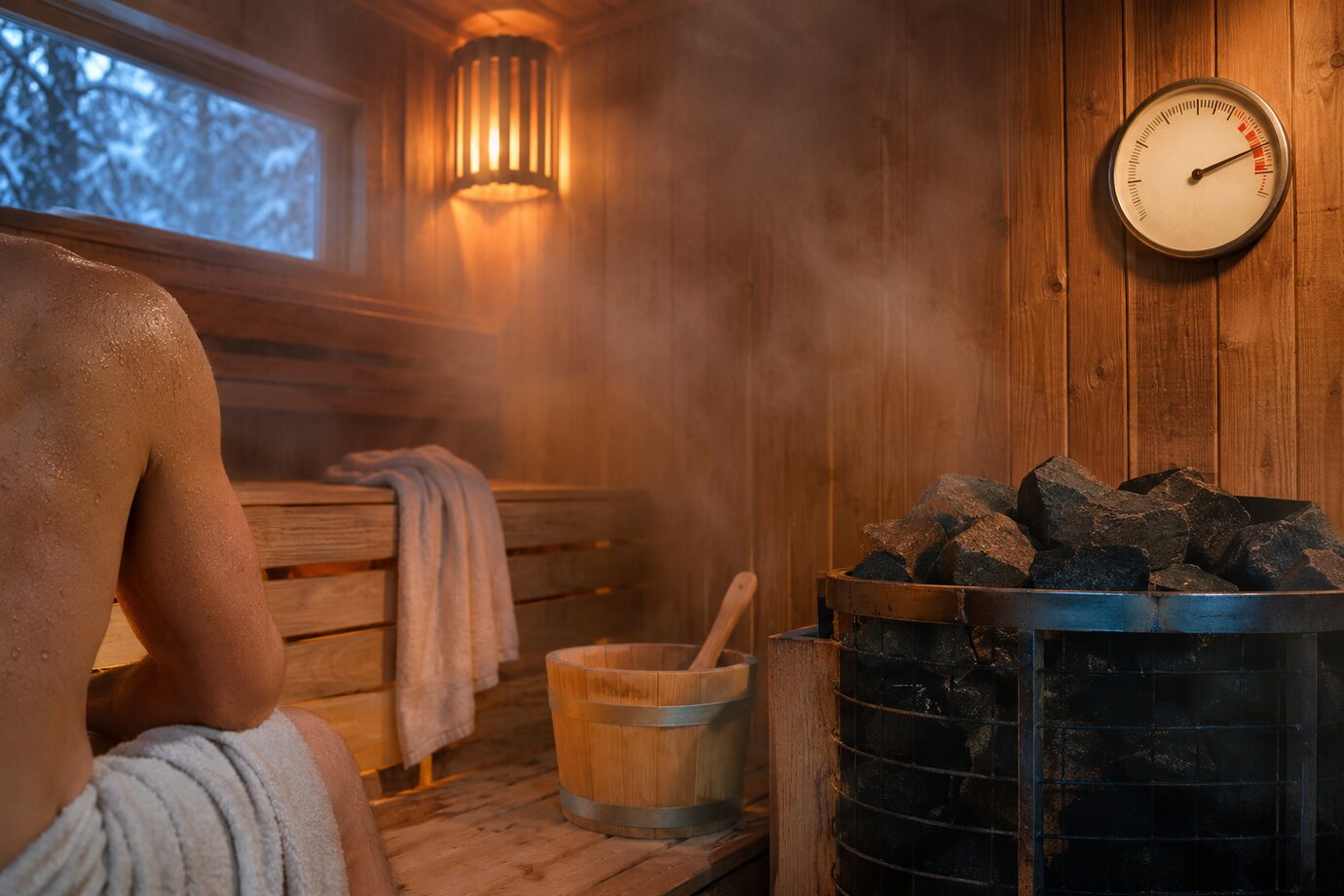
So the gap is visible in the figures. The infrared range tops out below where the traditional range begins. That supports the gentler description in terms of air temperature, and it supports nothing beyond that.
Sleep promises that ride along
Some packages mention sleep next to the sauna. If one does, read the CDC's sleep overview before you accept the promise at face value. Temperature figures say nothing about sleep, so a provider needs a separate source for that benefit.
What the evidence does not settle
A lower room temperature does not tell you how much heat reaches your body, or whether a session does more for you than a hotter one. The figures describe operating ranges. They do not measure recovery, heart effects or any other result. Anyone who treats them as proof of a benefit is claiming more than the source does.
Questions to put to any provider
- What temperature will the room run at during my session?
- Which independent source backs the benefits you list?
- How do I know the source tested the same kind of sauna you offer?
- Who should avoid a session, and why?
Readers who also track general health can compare notes with what NHLBI, NIH says about the health effects of sleep deprivation and deficiency, which is a useful check on any rest-related promise.
What a fair reading allows
You can fairly conclude that infrared saunas run cooler than traditional ones and that a named source calls them gentler and more comfortable. You cannot conclude they work better. For a second look at heat and cold claims side by side, Cleveland Clinic's article on the benefits of whole-body cryotherapy after a workout is a second piece from the same publisher, on the cold side.