
How Cryotherapy Is Thought to Work on Soreness
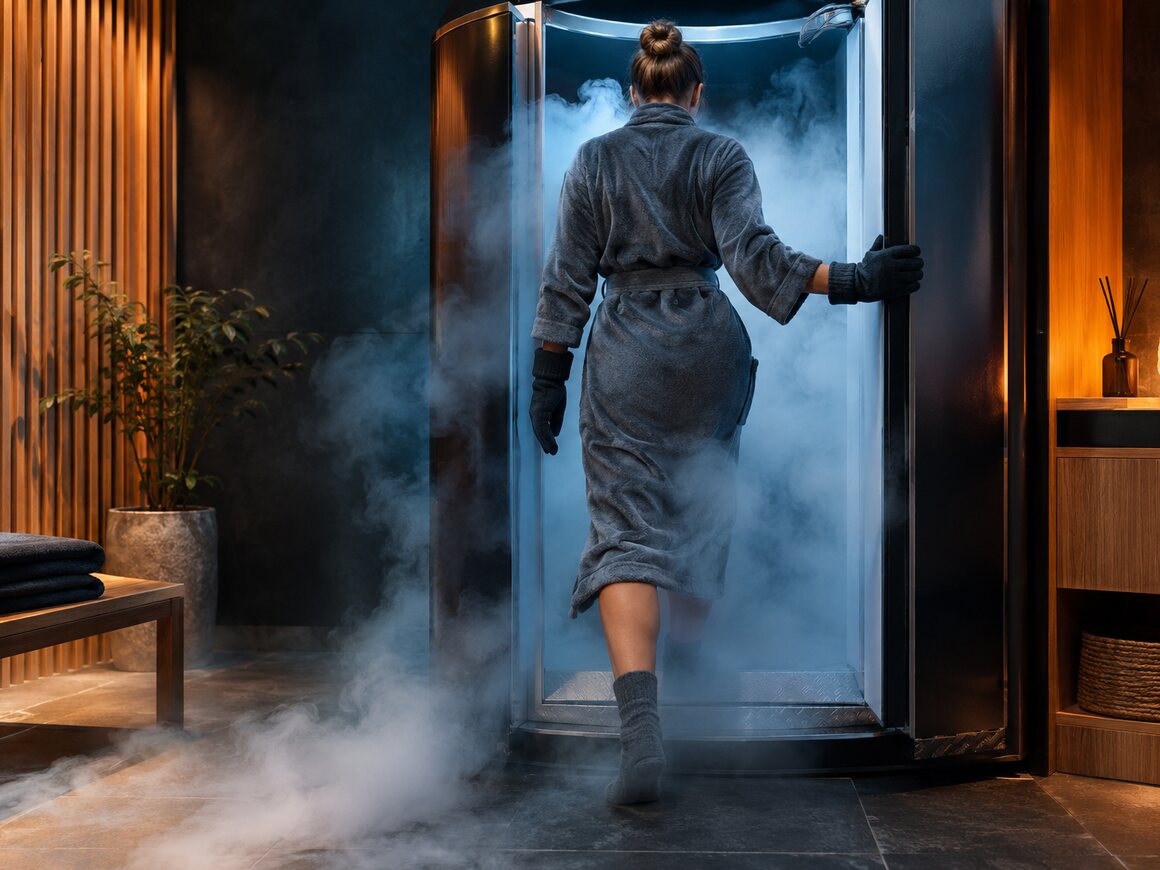
How cryotherapy might ease soreness is a question about mechanism, and the exact wording matters. WebMD's explanation is a proposal that points to animal studies, so the distinction at stake is between a mechanism proposed and an effect shown in people.
The explanation on offer
WebMD says cold therapy is thought to stimulate the sympathetic nervous system, the body's fight or flight response, causing a release of noradrenaline. WebMD adds that noradrenaline, a neurotransmitter and hormone, has been shown to reduce pain signals in studies done on animals.
Two phrases that set the limits
"Thought to" marks a proposal, not a finding. "Studies done on animals" marks where the pain-signal result was shown, which sits a step away from a person recovering from a hard workout. Both phrases come from the source, and a careful reader keeps them attached to the claim.
For a second published view on cryotherapy after exercise, read Cleveland Clinic's article on whole-body cryotherapy after a workout and compare its framing with the one above.
Questions to ask a provider
Anyone who sells cold sessions for soreness can be asked:
- Which source describes the mechanism you rely on, and does it say "thought to"?
- Was the result you cite seen in people or in animals?
- What would you tell me if my soreness did not change after the first sessions?
A provider quoting a mechanism should be able to point to where it comes from. WebMD's explainer on whole-body cryotherapy is one place to compare their wording against.
What a fair reading allows
The fair conclusion is narrow. A named source offers a proposed explanation, and part of its support comes from animal studies. That is enough to ask good questions, and it is not enough to treat a soreness promise as settled. Anyone shopping for cold sessions in Havertown can take the questions above to a provider and hold the answers against the source's wording.